


The Allure of Chance
The excitement of gambling is deeply rooted in the thrill of uncertainty and the allure of chance. Individuals are drawn to the potential rewards that arise from taking risks, igniting a sense of excitement and possibility. The unpredictable nature of casino games captivates players, as each spin of the slot machine or roll of the dice could lead to life-altering winnings. This unpredictability elevates adrenaline levels, creating euphoric sensations comparable to extreme sports or adventurous activities. In addition, players often explore various options, including betting apps , which offer unique experiences and the notion of hitting a jackpot or winning big resonates strongly with human aspirations and desires for financial freedom.
Furthermore, the psychological dynamics of gambling extend beyond financial gain. The satisfaction derived from winning against the odds is a powerful motivator. Anticipation builds before the outcome is revealed, leading to an exhilarating rush when victory is achieved. These heightened emotions can create a cycle of excitement, where the desire to relive that euphoria drives individuals back to casinos, hoping to capture that fleeting feeling of success once more. This cycle can sometimes lead to a skewed perception of reality, where players overlook the potential for losses and focus solely on the thrill of winning.
Behavioral psychology also plays a significant role in the attraction to gambling. The principle of variable reinforcement explains how intermittent rewards can reinforce behavior. Gamblers may experience unexpected wins, which serves to strengthen their desire to continue playing. Over time, this can lead to habitual gambling, where individuals chase the feelings associated with past victories, perpetuating a cycle of risk and excitement that can be difficult to break. This cyclical behavior often traps players in a loop of hope and disappointment, making it challenging to step away from the gaming tables.
The Role of Environment
The casino environment is meticulously crafted to enhance the gambling experience and stimulate players psychologically. From the vibrant lights to the sounds of coins clinking and jackpots ringing, every element is designed to create an immersive atmosphere. This sensory overload heightens emotional responses, engrossing gamblers and making them feel more engaged. The deliberate absence of windows and clocks contributes to a distorted sense of time, encouraging players to remain longer than they originally intended, often leading to extended gaming sessions that can overshadow their initial intentions.
Moreover, the strategic placement of games within casinos encourages foot traffic and social interaction. Casinos are designed to invite exploration, with different sections showcasing a variety of games and experiences. This layout appeals to human curiosity and the innate desire for social engagement, as individuals are more likely to interact with others in a lively casino setting. The social aspect of gambling can enhance the overall enjoyment of the experience, increasing the likelihood of repeat visits. Friendships formed in these settings can further entrench individuals in the gambling culture, making it a shared experience rather than a solitary one.
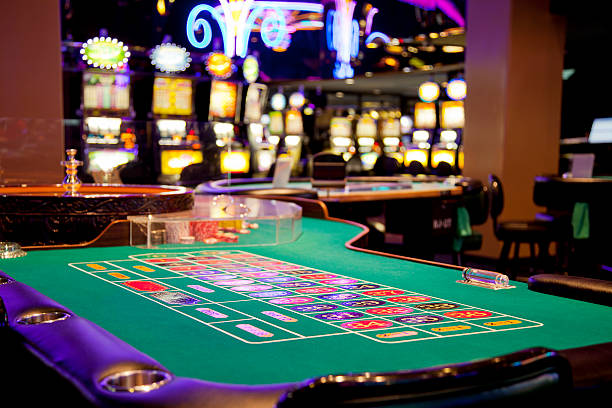
The use of colors and design elements further influences emotional responses within casinos. Bright colors, especially red and gold, are often employed to evoke feelings of excitement and urgency. High-stakes games are frequently located near entrances to attract high rollers while simultaneously enticing casual players to try their luck. This thoughtful design fosters an energetic environment that keeps players engaged, ultimately reinforcing their gambling behavior and encouraging them to return. The overall ambiance is carefully curated to ensure that players are not just participants but are fully immersed in an exhilarating experience that blurs the lines between reality and fantasy.
Psychological Triggers: Reward and Loss Aversion
Social and psychological triggers significantly impact gambling behavior, particularly concepts such as reward and loss aversion. Loss aversion, a principle from behavioral economics, indicates that individuals experience the pain of loss more acutely than the pleasure derived from equivalent gains. As a result, when gamblers incur losses, they may pursue recovery, believing that continued play will help them regain lost funds. This mindset can escalate betting behaviors, as players often increase their wagers in hopes of recouping past losses. The emotional toll of losing can thus lead to a dangerous cycle of chasing losses, which can be detrimental to both finances and mental health.
The concept of reward is equally central to understanding the psychology of casino gambling. Winning, whether hitting a jackpot or achieving a series of consecutive wins, releases dopamine, a neurotransmitter associated with pleasure and reinforcement. This biochemical response not only heightens the sense of enjoyment but also encourages continued play in search of that euphoric high. The anticipation of future rewards creates a feedback loop that drives ongoing engagement, reinforcing a cycle of emotional investment and monetary risk. This cycle can be particularly powerful, as the brain begins to associate gambling with positive emotions, further entrenching the behavior.
Additionally, promotional offers and betting limits can serve as psychological triggers for gambling behavior. Players may feel drawn to bonuses that extend their gaming sessions, allowing them to chase the thrill of winning. This can blur the lines between responsible gaming and addiction, as individuals may disregard their limits in favor of the excitement associated with potential rewards. Understanding these psychological triggers is crucial for both casinos in their marketing strategies and for players seeking to comprehend their gambling habits. By recognizing these influences, players can make more informed decisions about their gambling activities.
The Quest for Control and Skill
Many gamblers harbor the illusion that their skill or knowledge can influence the outcomes of games, a phenomenon known as the «illusion of control.» This belief is particularly pronounced in games that involve an element of strategy, such as poker or blackjack. Players often convince themselves that their decisions can sway the outcome, which enhances their engagement and prolongs gameplay. This perception of agency can lead to repeated gambling, as individuals feel empowered by their choices and believe they can consistently achieve success. However, this illusion can lead to overconfidence, resulting in increased risk-taking behaviors.

Conversely, games that rely predominantly on chance, such as slots, can evoke a different psychological experience. Players may still engage in similar behaviors, clinging to superstitions or rituals that they believe can influence outcomes. This reliance on perceived control can lead to increased gambling, where individuals attribute their wins and losses to their own influence rather than the inherent randomness of the games. This sense of agency can be a powerful motivator, driving players to gamble despite the unfavorable odds, as they seek to validate their beliefs in personal control over outcomes.
The danger lies in the thin line between effective gaming strategies and delusional thinking. Acknowledging that many casino games are fundamentally random is crucial. By understanding this aspect, individuals can mitigate the risk of escalating gambling behaviors as they may depend less on misguided beliefs and more on strategies that promote responsible gaming. This awareness is vital for developing healthier habits and reducing the potential risks associated with problem gambling. Emphasizing education about the nature of these games can empower players to make choices that prioritize their well-being over the thrill of the game.
Resources for Responsible Gambling
Understanding the psychological elements behind casino gambling is vital for both players and organizations dedicated to promoting responsible gambling. Many casinos and online platforms offer resources aimed at educating players about the risks associated with gambling and providing support for those experiencing difficulties. These resources may include self-assessment tools, counseling services, and options to set limits on deposits and wagers, creating an environment where individuals can enjoy gambling while being mindful of potential risks. By providing these tools, casinos help foster a culture of awareness that encourages responsible behavior.
Casinos are increasingly adopting practices that emphasize responsible gaming. Many establishments train their staff to recognize signs of problematic gambling and offer assistance to players who may need help. By integrating these practices into their operations, casinos strive to cultivate a culture that prioritizes player safety and encourages informed decision-making. Combining education, intervention, and support is essential in mitigating the negative consequences of gambling. This proactive approach not only benefits players but also enhances the reputation of casinos within the community.
Furthermore, websites focused on gambling education serve as valuable platforms for individuals seeking information on responsible gambling practices. These sites often provide guidance on recognizing signs of problem gambling, understanding betting limits, and promoting healthy gaming environments. By empowering individuals with knowledge, these resources can help mitigate the risks associated with gambling, fostering a healthier relationship with gaming and ensuring safer practices among players. With access to reliable information and support, players can navigate their gambling experiences with greater awareness and responsibility.
